

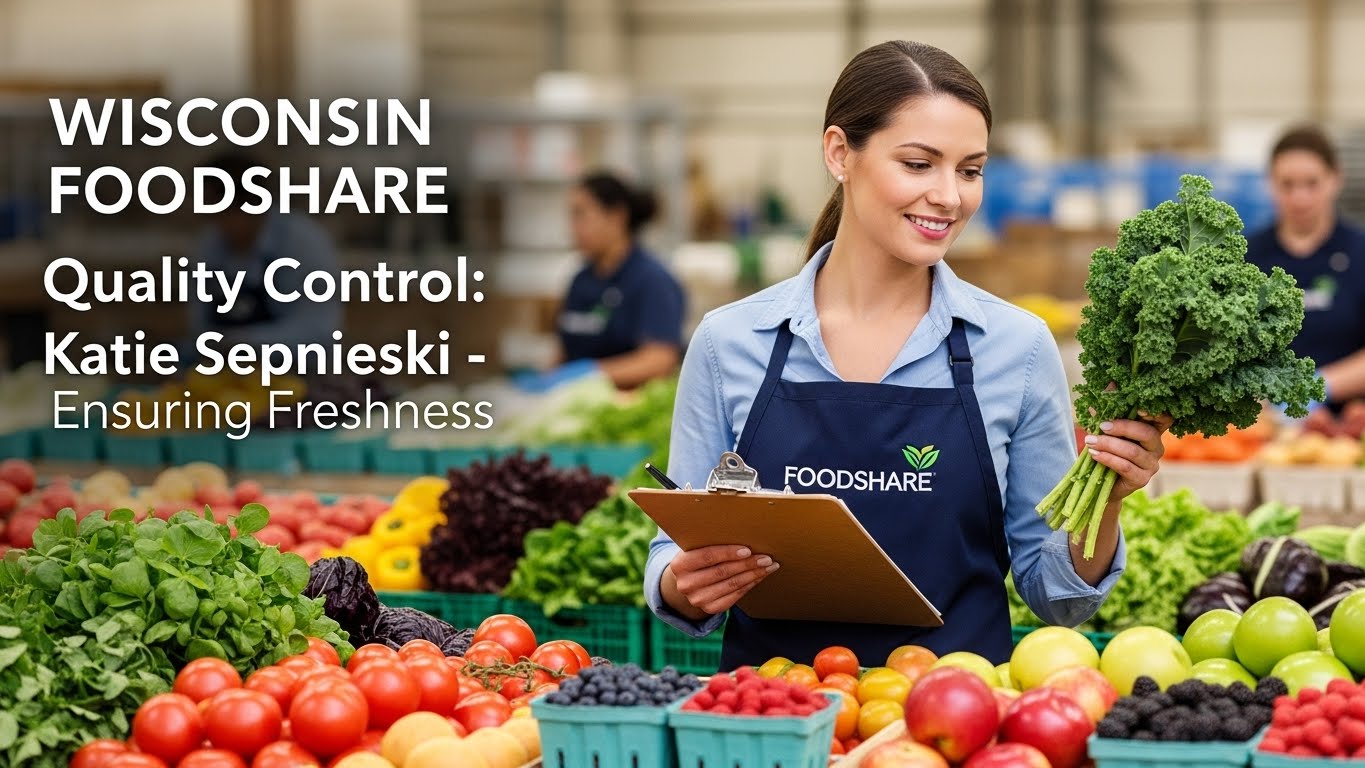
In the heart of Wisconsin foodshare quality control katie sepnieski, a vital program is working tirelessly to ensure that no one in need goes hungry. The Wisconsin FoodShare Program provides essential food assistance to thousands of families and individuals struggling to make ends meet. However, delivering nutritious food isn’t just about quantity; it’s also about quality. This is where Katie Sepnieski steps in, playing a crucial role in overseeing the quality control measures that keep fresh produce and pantry staples flowing into households across the state.
Katie’s commitment ensures that every recipient gets not only enough food but also high-quality options that nourish their bodies and support their well-being. With challenges such as sourcing fresh ingredients and maintaining storage standards, her work becomes even more significant. Join us on this journey as we explore how Wisconsin FoodShare is redefining its mission through impeccable quality control led by Katie Sepnieski!
What is Wisconsin foodshare quality control katie sepnieski?
Wisconsin foodshare quality control katie sepnieski is a vital program designed to provide nutritious food to families in need. Within this essential initiative, quality control plays a significant role. Enter Katie Sepnieski, a dedicated professional focused on ensuring that every item distributed meets high standards.
Katie oversees the quality assurance processes for Wisconsin FoodShare. Her mission is simple: ensure recipients receive fresh and safe food. She collaborates closely with various stakeholders, including local farms and food pantries, to maintain these standards.
Her approach combines meticulous inspections with ongoing training for staff members. This proactive stance helps address any potential issues before they affect those relying on the program’s support.
By prioritizing freshness and safety, Katie fosters trust among communities served by FoodShare. It’s an effort that reflects her commitment to improving lives through better access to wholesome food options.
The role of Katie Sepnieski in maintaining freshness
Wisconsin foodshare quality control katie sepnieski plays a pivotal role in the Wisconsin FoodShare program. With her keen eye for detail, she ensures that every item meets stringent quality standards.
Her responsibilities include monitoring food inventory and conducting regular freshness checks. This hands-on approach helps to identify any issues before they reach recipients.
Katie collaborates closely with suppliers, fostering relationships that prioritize quality sourcing. By doing so, she maintains a steady flow of fresh produce and other essential items.
Training staff on best practices is another key aspect of her work. Educating employees about proper handling and storage techniques reinforces the importance of maintaining food integrity.
Through these efforts, Katie not only safeguards nutrition but also builds trust within the community. Her commitment shines through in every initiative aimed at enhancing the overall quality of food assistance provided to families in need.
The importance of freshness in food assistance programs
Freshness plays a pivotal role in food assistance programs. Recipients rely on these services not only for sustenance but also for nutrition. Fresh, quality food supports healthier lifestyles and better overall health outcomes.
When fresh produce and perishable items are prioritized, families can enjoy balanced meals full of essential vitamins and minerals. This directly impacts their well-being.
Moreover, providing fresh food fosters dignity among recipients. It shifts the perception of assistance from mere survival to empowerment through nourishing options.
Communities thrive when residents have access to wholesome foods. Freshness revitalizes local economies by supporting farmers and producers committed to quality.
In essence, ensuring freshness enhances the effectiveness of food assistance programs while uplifting individuals and nurturing community connections.
Strategies used by Katie Sepnieski and her team for quality control
Wisconsin foodshare quality control katie sepnieski and her team implement a range of innovative strategies to ensure the quality control of food within the Wisconsin FoodShare program. One key approach is regular training sessions for staff. These focus on best practices in handling, storing, and distributing food.
Additionally, they use advanced tracking systems to monitor inventory freshness. This allows them to identify items that may be nearing expiration quickly.
Regular inspections are another vital part of their strategy. Team members conduct thorough checks on incoming shipments and existing stock to ensure everything meets high standards.
Community partnerships play a significant role as well; collaborating with local farmers helps secure fresher produce directly from source farms.
Feedback loops involve engaging recipients in discussions about food quality, which can lead to immediate improvements based on real experiences and needs.
Success stories of improving food quality through the program
The Wisconsin foodshare quality control katie sepnieski Program has seen remarkable success stories that illustrate the positive impact of quality control initiatives. One notable case involved a local food pantry that struggled with expired products and limited fresh produce. With Katie Sepnieski’s guidance, they revamped their inventory system.
By implementing stricter monitoring protocols and collaborating with local farmers, they significantly increased the availability of fresh fruits and vegetables. Recipients reported feeling healthier and more satisfied with their food options.
Another success story came from a community kitchen that opted for seasonal menus based on available ingredients. This change not only improved meal quality but also fostered stronger relationships between chefs and local suppliers.
These heartwarming transformations highlight how dedicated efforts in quality control can uplift entire communities, ensuring families receive nutritious meals while also supporting local agriculture.
Challenges and solutions of maintaining freshness in the FoodShare program
Maintaining freshness in the Wisconsin foodshare quality control katie sepnieski program presents several challenges. One major issue is food storage. Many donated items require specific temperature controls. Without proper refrigeration, perishable goods can spoil quickly.
Transportation also plays a vital role in ensuring quality. Delays or inadequate vehicle conditions can compromise food safety and freshness during delivery to local pantries.
Katie Sepnieski and her team tackle these issues head-on by implementing regular training sessions for staff on best practices in handling food. They ensure that everyone understands the importance of monitoring temperatures and inspecting products before distribution.
Another solution involves partnering with local farms and suppliers who prioritize quick turnaround times for fresh produce. This relationship not only supports local agriculture but ensures that recipients receive high-quality foods consistently.
Through innovative strategies like these, the FoodShare program continues to adapt, meeting the ever-evolving needs of its community while prioritizing freshness at every turn.
Impact on recipients and community as a whole
The impact of Wisconsin foodshare quality control katie sepnieski quality control led by Katie Sepnieski extends far beyond individual recipients. Fresh, nutritious food can transform lives and strengthen communities.
When families receive high-quality groceries, it not only meets their immediate needs but also fosters healthier eating habits. This shift contributes to better overall health outcomes, reducing long-term healthcare costs.
Moreover, when the community sees a commitment to quality in food assistance programs, trust grows between providers and recipients. People feel valued and respected.
In turn, this encourages greater participation in local initiatives and support networks. Community gardens flourish as individuals become more invested in sustainable practices.
Maintaining freshness increases confidence among stakeholders—from donors to volunteers—who are eager to contribute time or resources knowing they will make a meaningful difference.
The crucial role of quality control
Quality control is the backbone of any food assistance program. It ensures that every item provided meets safety and nutritional standards. In Wisconsin, this commitment to quality is evident in the meticulous efforts led by Katie Sepnieski.
Freshness plays a vital role in maintaining the health of recipients. Spoiled or subpar food can lead to serious health risks, undermining the very purpose of FoodShare. By prioritizing quality, Katie’s team safeguards the well-being of those who rely on these resources.
Moreover, effective quality control fosters trust within communities. Recipients feel valued when they receive fresh produce and wholesome meals. This encourages participation in programs designed to uplift families facing food insecurity.
Every step taken for quality assurance strengthens community ties while enhancing overall satisfaction with food assistance initiatives. The focus on freshness transforms lives one meal at a time, creating lasting impacts beyond mere nutrition.
Conclusion
The Wisconsin foodshare quality control katie sepnieski program plays a vital role in assisting individuals and families facing food insecurity. Through the efforts of dedicated professionals like Katie Sepnieski, quality control has become an essential aspect of ensuring that recipients receive not just any food, but fresh and nutritious options.
Katie’s commitment to maintaining freshness reflects broader values within community support systems. By implementing strategic measures for quality control, she helps elevate the standards of food assistance programs across Wisconsin. These initiatives lead to improved health outcomes for recipients and foster a sense of trust in the resources available to them.
While challenges persist—such as sourcing perishable items or managing supply chain issues—the solutions developed by Katie and her team illustrate resilience and innovation. Their work demonstrates how thoughtful approaches can overcome obstacles while prioritizing community well-being.
Through their combined efforts, the impact on both individual lives and communities is profound. Freshness is not just about taste; it represents care, dignity, and respect for those who rely on these services. The importance of quality control cannot be overstated—it shapes experiences for all involved in this crucial endeavor, reinforcing the significance of every meal provided through the FoodShare program.
 admin
admin