

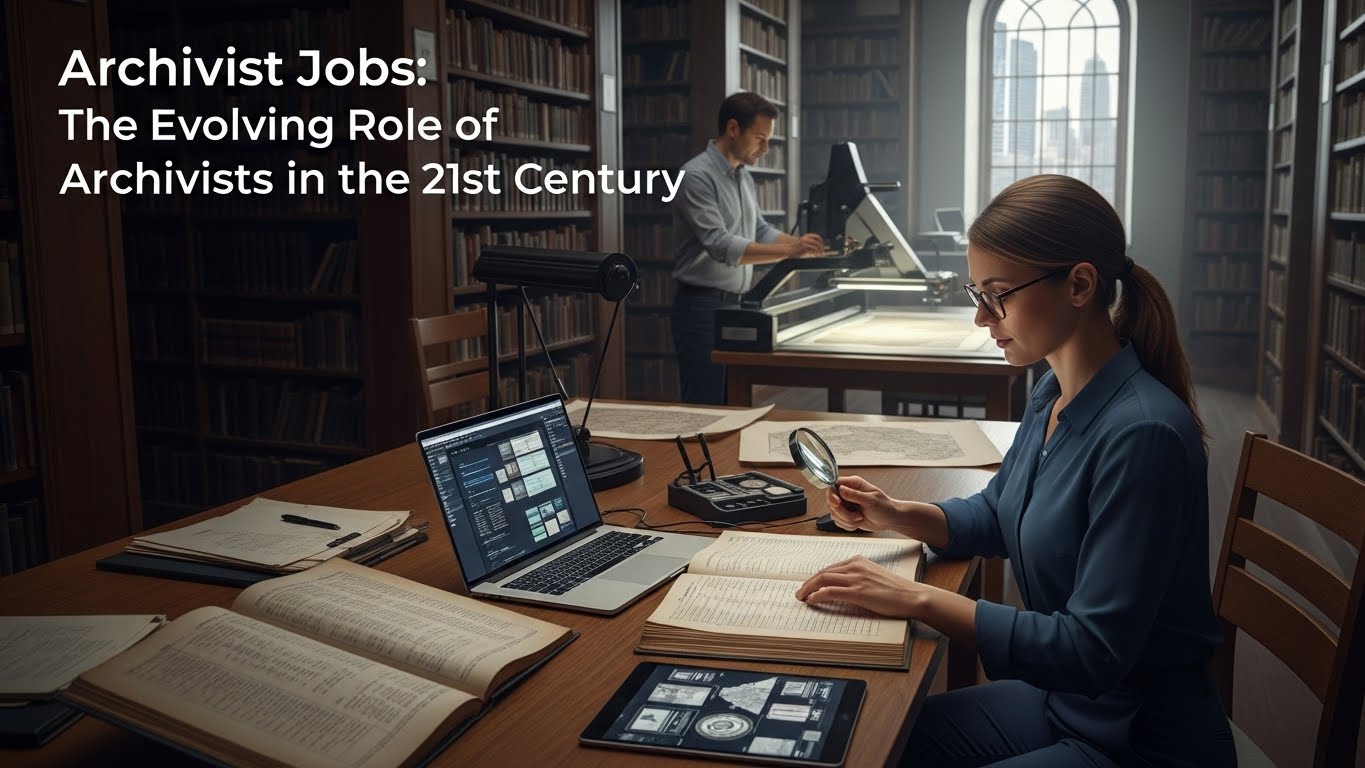
In a world overflowing with information, archivists play an essential yet often overlooked role. These dedicated professionals are the guardians of history, meticulously preserving documents and artifacts that tell the stories of our past. But their work extends far beyond dusty shelves and old books. As we move further into the 21st century, archivist jobs are evolving to meet new demands and challenges in an increasingly digital landscape.
With technology reshaping how we store and access information, the profession is adapting rapidly. The skills needed for success in this field are transforming, opening doors to exciting opportunities for those looking to make their mark on history preservation. Whether you’re considering a career as an archivist or just curious about what they do today, understanding this dynamic profession is crucial in appreciating how it impacts our society now and into the future.
What is Archivist jobs?
Archivist jobs focus on the management and preservation of historical documents and records. These professionals play a vital role in ensuring that important information remains accessible for future generations.
At their core, archivists organize materials such as manuscripts, photographs, audiovisual items, and digital files. They assess what is valuable and worth preserving while implementing systems to make these resources easy to locate.
Beyond mere storage, archivists also engage with researchers and the public. They help individuals find information relevant to their inquiries or projects. This interaction bridges the gap between history and contemporary society.
The scope of archivist jobs extends into various settings too—museums, libraries, government agencies, corporations, or nonprofit organizations. Each environment presents unique challenges but shares a common mission: safeguarding cultural heritage for posterity.
The Traditional Responsibilities of an Archivist
Archivists have long been the guardians of our collective memory. Their primary role involves collecting, organizing, and preserving valuable documents and records. This commitment ensures that future generations can access historical materials.
Sorting through various types of media is a core responsibility. Archivists work with everything from handwritten letters to photographs and digital files. Each item requires careful consideration regarding its importance and potential impact on history.
Another key aspect is cataloging. A well-organized archive allows researchers to locate information efficiently. Archivists develop systems that make it easy for users to navigate extensive collections.
Moreover, they often engage in outreach efforts to educate the public about their holdings. By hosting events or creating exhibitions, archivists foster appreciation for archival materials while promoting research opportunities within their institutions.
Through meticulous attention to detail, archivists play an essential role in documenting society’s evolution over time.
New Challenges Faced by Archivists in the Digital Age
The digital age has transformed the landscape of archiving. Archivists now grapple with vast amounts of data generated daily. The sheer volume can be overwhelming.
Preserving digital materials presents unique challenges. Unlike traditional documents, digital files can become inaccessible due to format changes or technological obsolescence. This constant evolution demands archivists stay updated on the latest tools and trends.
Data security is another pressing concern. As cyber threats grow more sophisticated, protecting sensitive information becomes paramount for those in this field.
Moreover, ensuring equitable access to archives poses a significant challenge. Digital divides mean that not everyone has equal opportunity to engage with archival resources.
Maintaining authenticity in a world where misinformation spreads rapidly is crucial for archivists today. They must navigate these complexities while still promoting transparency and trustworthiness in their collections.
How Technology is Changing the Field of Archiving
Technology is revolutionizing the field of archiving in numerous ways. Digital tools enable archivists to store vast amounts of information more efficiently than ever before. Gone are the days of dusty shelves and endless paper trails.
Cloud storage solutions provide easy access to documents from anywhere. This flexibility enhances collaboration among researchers and institutions, fostering a culture of shared knowledge.
Moreover, advanced scanning technologies allow for quick digitization of physical records. High-resolution imaging captures details that were once lost in traditional methods.
Data analytics plays a crucial role too. Archivists can now analyze trends over time, offering insights into historical patterns that inform current practices.
Artificial intelligence is emerging as another game-changer. AI algorithms assist with categorizing and tagging archives faster than human efforts alone could achieve, streamlining workflows significantly.
As technology continues to evolve, so does the potential for innovative approaches within archival science.
Emerging Job Opportunities for Archivists
As the landscape of information management evolves, new roles are surfacing for archivists. The digital age has created a demand for specialists who can navigate complex data environments.
Digital archiving is one such area where opportunities abound. Archivists are now tasked with preserving not just physical documents but also electronic records and multimedia content.
Corporate archives are gaining attention too. Many businesses seek archivists to manage their internal histories and brand legacies, ensuring vital information is accessible for future reference.
Another emerging field involves community archiving initiatives. These projects empower local groups to document their histories, often leading to positions that engage directly with diverse populations.
There’s an increasing need for archivists in educational institutions as they curate and maintain archival collections that support research and learning across disciplines.
Required Skills and Qualifications for a Career in Archiving
A successful career in archiving demands a blend of technical and interpersonal skills. First, an understanding of archival theory is essential. This knowledge forms the backbone for organizing, preserving, and providing access to records.
Familiarity with digital tools cannot be overstated. As technology evolves, so do the methods of cataloging and managing information. Proficiency in databases and software tailored for archiving is increasingly important.
Moreover, strong analytical skills are crucial. Archivists must evaluate materials critically to determine their historical significance or relevance.
Effective communication abilities also play a vital role. Archivists often collaborate with researchers or institutions, requiring clarity in both written and verbal exchanges.
Attention to detail ensures that every document is accurately described and preserved. Each skill contributes uniquely to the multifaceted nature of archivist jobs today.
The Future of Archivist Jobs
As we look to the future, archivist jobs are poised for significant transformation. The demand for skilled professionals who understand both traditional archiving and digital preservation is on the rise.
With organizations increasingly valuing data integrity and long-term accessibility, archivists will play a crucial role in managing these assets. Their expertise will be essential in navigating complex metadata standards and ensuring compliance with evolving legal frameworks.
The integration of artificial intelligence into archival practices also presents exciting possibilities. Automated systems can assist in organizing vast amounts of information, allowing archivists to focus more on strategic planning and community engagement.
Moreover, as public interest in local history grows, opportunities for outreach and educational programs are expanding. This shift not only enhances visibility but also helps foster a deeper appreciation for historical records among diverse audiences.
Conclusion
Archivist jobs play a crucial role in preserving our collective memory. As we navigate through the complexities of the digital age, archivists are adapting and evolving to meet new demands. Their responsibilities are no longer confined to traditional roles; they now embrace technology, data management, and digital preservation.
The challenges faced by today’s archivists require a diverse skill set. From mastering software programs to understanding metadata standards, the modern archivist must be versatile. Emerging opportunities reflect this shift as organizations prioritize skilled professionals who can manage both physical and digital collections effectively.
Educational requirements have also evolved with industry needs. A degree in archival studies or related fields is often essential, along with specialized training in information technology and data curation.
As we look ahead, it’s clear that archivist jobs will continue to transform alongside technological advancements. The profession holds promising prospects for those eager to engage with history while navigating future innovations.
With their unique blend of skills and adaptability, archivists are not just keepers of the past but active participants in shaping how we access and understand information today.