

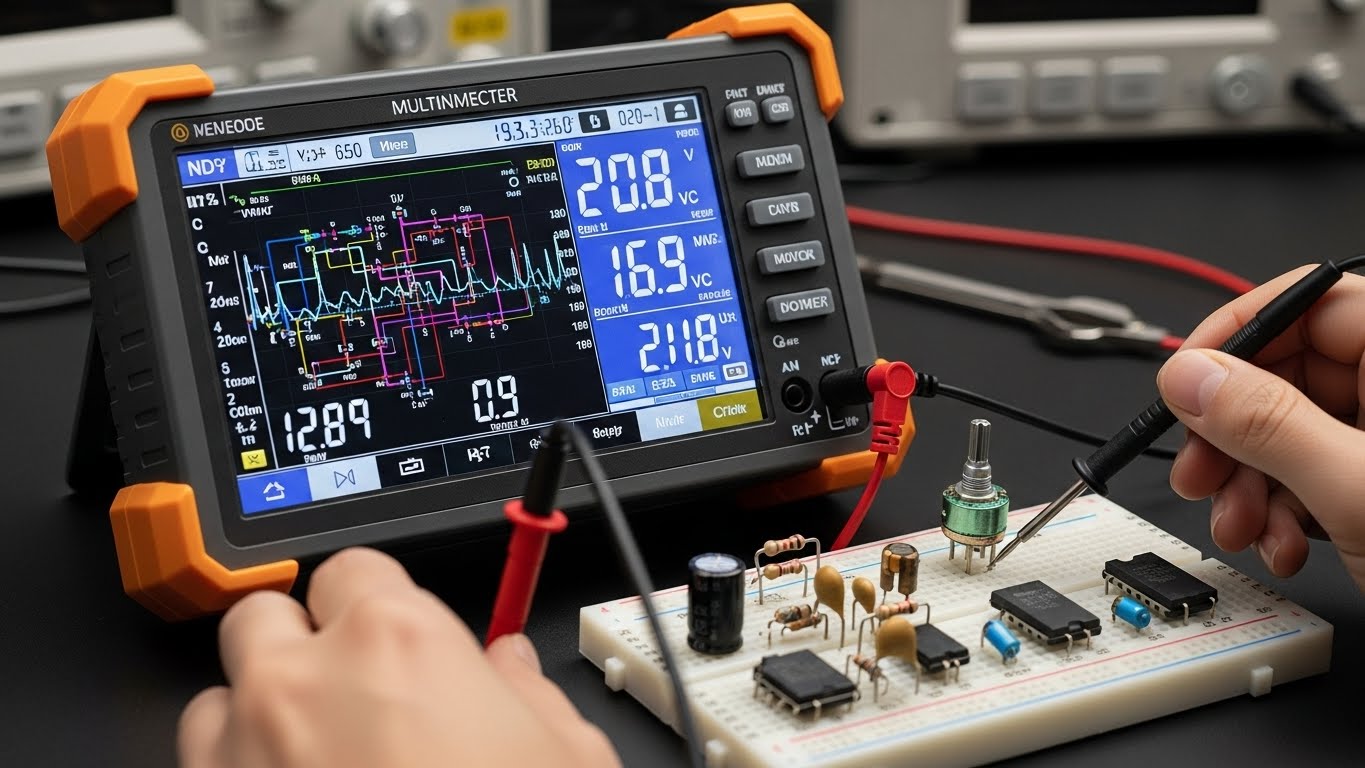
When it comes to measuring electrical parameters, multimeters are indispensable tools in every technician’s toolkit. Whether you’re a professional electrician or a DIY enthusiast, understanding how to use these devices can greatly enhance your work. But what if we told you there’s more than meets the eye with multimeters? Enter “multimeterble” – a term that encapsulates the advanced features and applications of this versatile instrument.
As technology evolves, so do the capabilities of multimeters. They have transitioned from simple voltage testers to sophisticated devices packed with various functions that can tackle complex tasks. From analyzing circuitry in gadgets to troubleshooting household appliances, knowing how to harness these advanced features is crucial for anyone working with electronics.
Dive into this article as we explore everything about “multimeterble.” Discover its basic components, advanced functionalities, practical uses, and tips on selecting the right one for your needs. This journey through the world of multimeters will empower you with knowledge and confidence in your electrical endeavors!
What is Multimeterble?
Multimeterble refers to the innovative concept of enhancing traditional multimeters. It represents a blend of advanced features and user-friendly design, making measurements more efficient and accessible.
In essence, Multimeterble incorporates cutting-edge technology into standard multimeters. This evolution allows for seamless integration with digital interfaces and smart devices.
Imagine having real-time data analytics at your fingertips. With Multimeterble, users can analyze voltage, current, resistance, and much more in an intuitive manner.
The term also embodies a community-driven aspect where enthusiasts share tips on maximizing their device’s capabilities. It’s about pushing boundaries beyond basic functions into new territories of precision and ease.
Whether you’re a seasoned electrician or a DIY hobbyist, understanding Multimeterble opens up endless possibilities for exploration in electrical measurement.
Basic Functions and Components
A multimeter is a versatile tool packed with essential functions. At its core, it measures voltage, current, and resistance. These basic readings provide valuable insights into electrical systems.
The most common type is the digital multimeter (DMM). It features an easy-to-read display that shows measurements clearly. Many users prefer DMMs for their accuracy and user-friendly interface.
Analog meters are another option. They use a needle to indicate values on a scale. While less popular now, some technicians appreciate their simplicity and visual feedback.
Key components include probes that connect to circuits or devices under test. The dial or buttons on the device allow users to select specific measurement modes like voltage or ohms.
Understanding these basic functions prepares you for more advanced applications of this indispensable tool.
Advanced Features of Multimeters
Modern multimeters come packed with advanced features that elevate their functionality beyond basic measurements. One standout feature is the True RMS capability, which delivers accurate readings for non-linear loads. This is crucial for working with modern electronics.
Another impressive addition is data logging and storage. Some multimeters can record measurements over time, allowing users to analyze trends or diagnose intermittent issues effectively.
Wireless connectivity has also made its way into many models. Bluetooth-enabled multimeters let you sync your device with smartphones or tablets for easy monitoring and analysis on larger screens.
Additionally, advanced safety ratings ensure that users are protected when dealing with high-voltage applications. Features like automatic shut-off conserve battery life and enhance usability in various settings.
With these advancements, choosing a multimeter becomes less about simple readings and more about enhancing efficiency and accuracy in complex tasks.
Common Applications of Multimeters
Multimeters are versatile tools essential for various applications in both professional and DIY environments. Electricians frequently rely on them to measure voltage, current, and resistance, ensuring that electrical systems function safely and efficiently.
In automotive settings, mechanics use multimeters to diagnose battery issues, check alternator output, and troubleshoot wiring problems. A simple measurement can save hours of guesswork.
Homeowners also find multimeters handy for routine maintenance tasks. Checking outlets or testing appliances helps maintain safety standards around the house.
Additionally, hobbyists working with electronics utilize these devices for circuit analysis. Whether building a custom gadget or repairing an old one, precise measurements lead to better results.
Engineers apply advanced functions of multimeters in research and development projects. These multifunctional instruments enable detailed data collection crucial for innovative advancements.
Troubleshooting with a Multimeter
When electrical issues arise, a multimeter becomes an invaluable tool for troubleshooting. It helps identify problems quickly and accurately.
Start by checking the device’s power supply. Use the multimeter to measure voltage at various points. If you detect no voltage where it’s expected, that could indicate a blown fuse or defective component.
Next, test continuity in circuits. This ensures that connections are intact and functioning properly. A beep from your multimeter signals a complete circuit, while silence indicates an open connection.
Don’t forget to check resistance as well. High resistance readings can suggest worn-out parts or corroded connections that need attention.
Always ensure your probes are correctly positioned before taking measurements. Misplaced leads can lead to inaccurate readings and unnecessary confusion during troubleshooting efforts.
Tips for Choosing the Right Multimeter
Choosing the right multimeter can be daunting, but a few key considerations can simplify the process. First, think about your specific needs. Are you an electrician tackling complex circuits or just a hobbyist measuring batteries?
Next, look for accuracy and range. A multimeter with multiple ranges allows you to measure both small voltages and high currents effectively. This flexibility is crucial for various tasks.
Consider additional features like data logging or Bluetooth connectivity if you want more advanced functionality. These options enhance usability but may come at a higher price.
Don’t overlook user-friendliness. An intuitive interface will save time during measurements and reduce errors in reading results. Prioritize ergonomic designs that feel comfortable in your hand while working on intricate projects.
By focusing on these aspects, you’ll find a multimeter that fits seamlessly into your toolkit without any hassle.
Conclusion
Understanding the multifaceted world of multimeters opens up a realm of possibilities for both beginners and seasoned professionals. The term “multimeterble” embodies not just the device’s versatility, but also its essential role in many fields. By grasping basic functions and advanced features, users can expand their capabilities significantly.
From measuring voltage to diagnosing complex electrical issues, multimeters serve as indispensable tools across various applications. Troubleshooting becomes more straightforward when armed with this knowledge, allowing you to tackle challenges efficiently.
When selecting a multimeter, consider your specific needs and how different features can enhance your projects. Whether you’re an electrician, engineer, or DIY enthusiast, choosing wisely will impact your work quality.
With the right approach and understanding of these devices’ potential, mastering multimeterble is within reach. Embrace this journey into precision measurement; it’s more than just numbers—it’s about empowerment through knowledge.
 StingFellows